1 min read

Episode 111 - Planning for Disaster & Hoping for the Best

Let's face it, disasters are prone to strike anytime and almost always when least expected. Most businesses can't afford to stop operations for an extended period of time. Having a plan for disaster recovery and business continuity is central to your cybersecurity program and most compliance requirements. This week, the guys talk about developing effective plans that you hope you never have to use. 

Data Thieves Test-Drive Unique Certificate Abuse Tactic

LinkedIn Smart Links attacks return to target Microsoft accounts

New 'HTTP/2 Rapid Reset' technique behind record-breaking DDOS attacks

Ransomware gang QakBot resurfaces after feds’ botnet takedown

Adobe Acrobat Reader Vuln Now Under Attack

Russian state hackers attempted to block Ukrainians from opening US bank accounts

Microsoft: Chinese APT Behind Atlassian Confluence Attacks; PoCs Appear

Reassessing the Impacts of Risk Management With NIST Framework 2.0

Protect AI Releases 3 AI/ML Security Tools as Open Source

Lorem Ipsum Dolor

The CMMC 2.0 Pause: Why Defense Contractors Shouldn’t Stop Building Now

The CMMC 2.0 Pause: Why Defense Contractors Shouldn’t Stop Building Now

On July 13, 2026, the Department of Defense (DoD) announced the immediate suspension of CMMC Phase II requirements,...

What Is Cybersecurity Remediation? Plan + Examples

What Is Cybersecurity Remediation? Plan + Examples

If you’re an IT leader who just received a risk assessment report that’s 40 pages long with a list of findings you’re not...
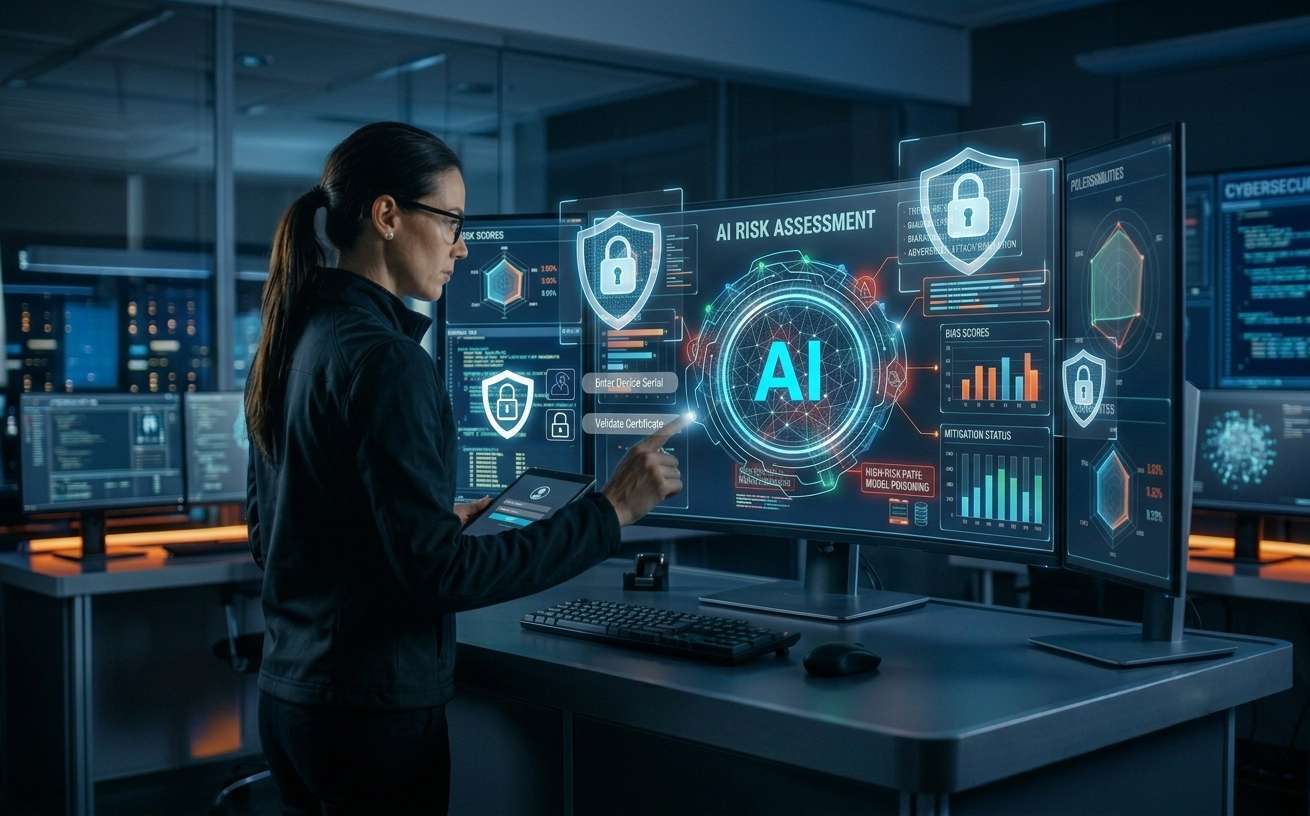
What Are the Major Risks Associated with Generative AI Models?

What Are the Major Risks Associated with Generative AI Models?

If your organization is using—or planning to use—generative AI tools, you’re already carrying new risk. The major risks...
SOC 2 Type 1 vs. Type 2: Key Differences, Requirements, and How to Choose the Right Audit

SOC 2 Type 1 vs. Type 2: Key Differences, Requirements, and How to Choose the Right Audit

SOC 2 is an auditing standard that verifies how your organization protects customer data. It comes in two forms: