1 min read

Develop.Idaho Conference - Incident Response Panel

Develop.Idaho Conference - Incident Response Panel
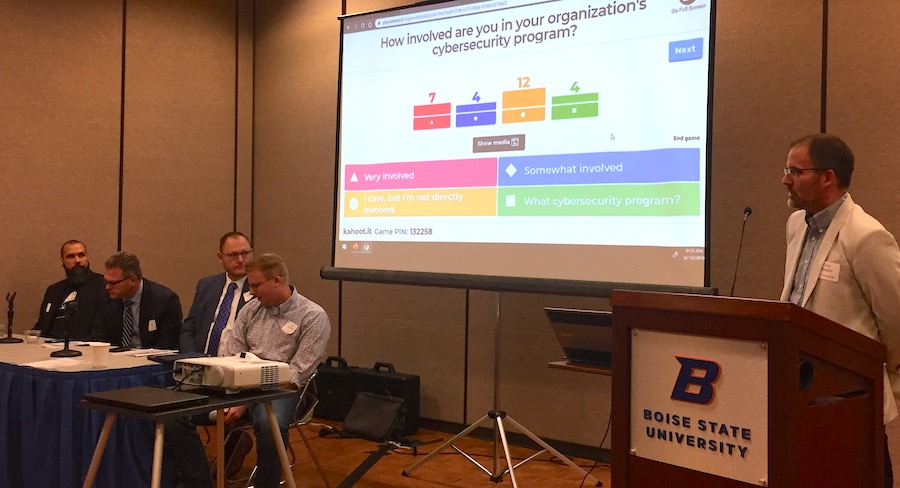
The Idaho Technology Council hosted Develop.Idaho, a world-class event full of thought leaders and innovators in industries ranging from self-driving cars to AI driven software as a service.  Silent Sector Partner, Lauro Chavez, presented on the topic of cyber incidents in a panel forum called, "Cyber Forensics: Is Your Technology Leaving a Trail to Follow?"
 
The educational discussion was based on a cyber incident scenario, focusing on key decisions and requirements for mid-size and smaller organizations in the event of a cyber incident.  It was stated that the terms "incident" and "breach" should never be used synonymously.  Every company should be proactive in thinking through its ability to respond to a cyber "incident."  Lauro explained that a cyber incident is an "unexpected deviation from the normal operating paradigm within a company's technology environment."  An incident is not always a breach or cyber attack, but should be investigated knowing that it could be malicious in nature.
 
The panel was moderated by Cory Vaughn, VP Operations, IT & Risk Management at Delta Dental of Idaho and included detailed insight from Security Analyst, Alec Akin.  In addition to Lauro Chavez, panel members included other highly knowledgable professionals who bring different but complementary points of view to the topic of incident response:  Dan DeCloss - CEO & Founder of Plextrac, Jeff Newgard - President & CEO of Bank of Idaho, and FBI Special Agent Kurt Pipal.
 
Special Agent Pipal, weighed in with the benefits government authorities offer to companies experiencing an incident or breach, while Dan DeCloss and Jeff Newgard discussed the decisions required by information security directors and corporate leadership. 
 
Audience members ranged from corporate executives to software engineers.  Many of the participants gained a deeper understanding of incident response fundamentals, as well as the ability to make informed decisions when a cyber incident occurs within their own organization. 
 
The overwhelming takeaway and message reinforced by each panel member was this:  Create your Incident Response Plan now, test it using table-top exercises, and ensure everyone knows their tasks before a cyber incident occurs.  
 
Special thanks to the Idaho Technology Council for an outstanding event and Boise Mayor, Dave Beiter, for supporting the development of technology companies in the City of Boise, Idaho.

Lorem Ipsum Dolor

The CMMC 2.0 Pause: Why Defense Contractors Shouldn’t Stop Building Now

The CMMC 2.0 Pause: Why Defense Contractors Shouldn’t Stop Building Now

On July 13, 2026, the Department of Defense (DoD) announced the immediate suspension of CMMC Phase II requirements,...

What Is Cybersecurity Remediation? Plan + Examples

What Is Cybersecurity Remediation? Plan + Examples

If you’re an IT leader who just received a risk assessment report that’s 40 pages long with a list of findings you’re not...
What Are the Major Risks Associated with Generative AI Models?

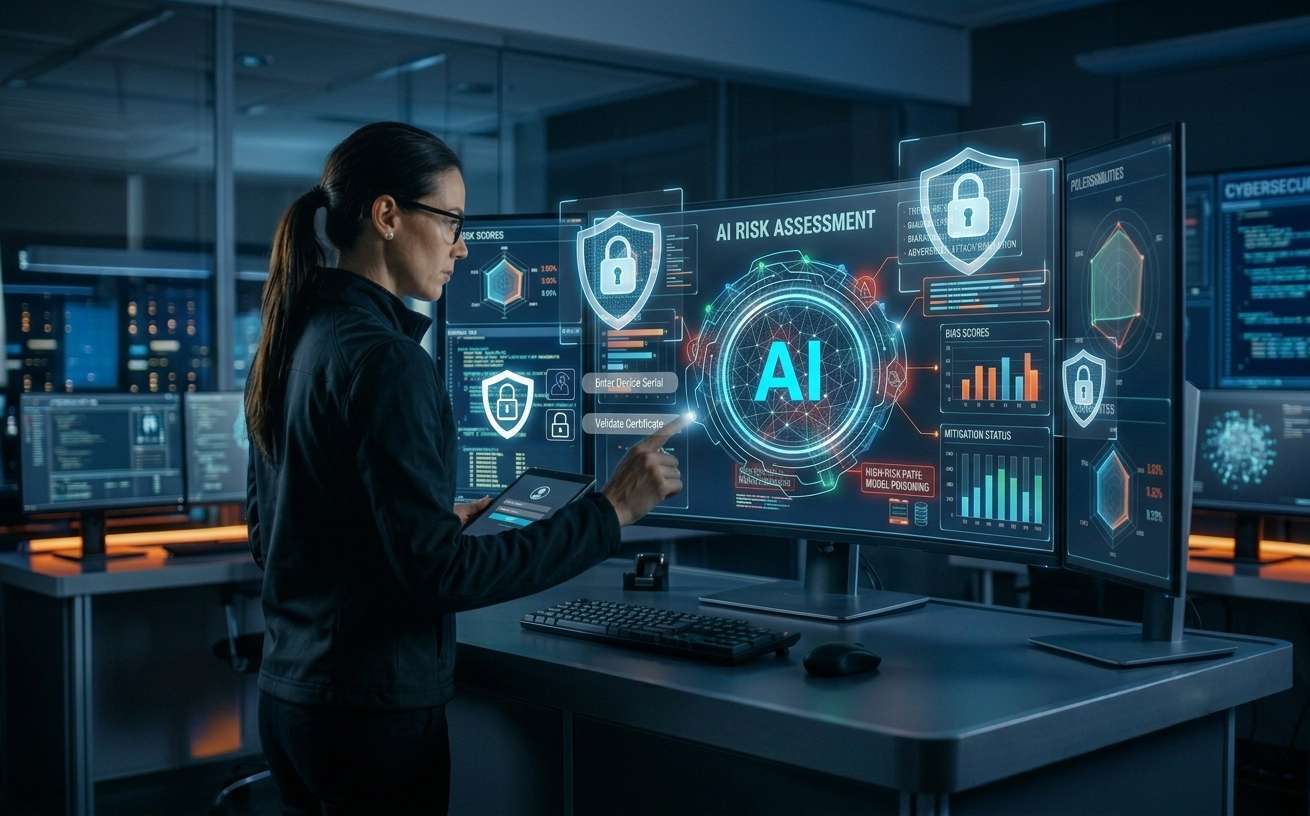
What Are the Major Risks Associated with Generative AI Models?

If your organization is using—or planning to use—generative AI tools, you’re already carrying new risk. The major risks...
SOC 2 Type 1 vs. Type 2: Key Differences, Requirements, and How to Choose the Right Audit

SOC 2 Type 1 vs. Type 2: Key Differences, Requirements, and How to Choose the Right Audit

SOC 2 is an auditing standard that verifies how your organization protects customer data. It comes in two forms: